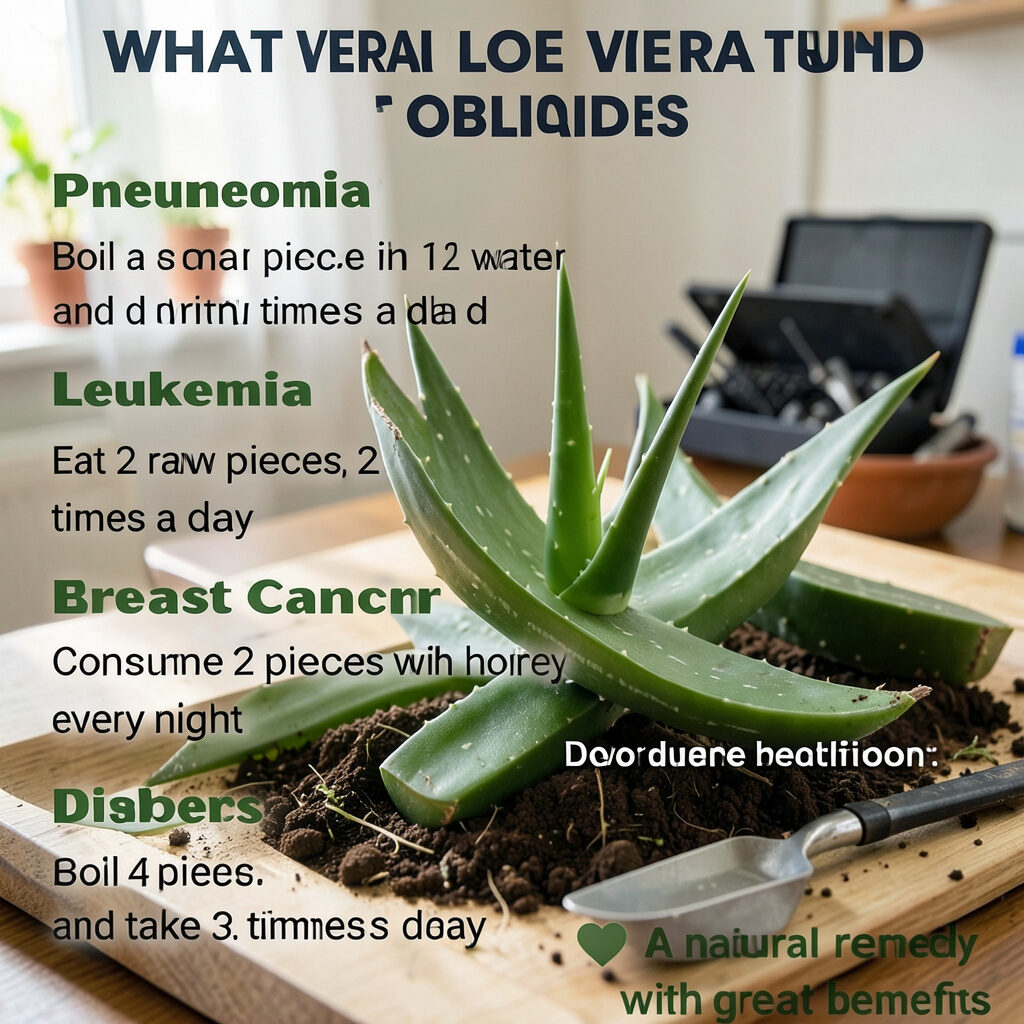
The Allure of Aloe Vera: A Natural Remedy?Aloe vera, a succulent plant species, has been revered across cultures for thousands of years, often dubbed the “plant of immortality” by ancient Egyptians. Its thick, fleshy leaves contain a gel that is widely used in cosmetics, pharmaceuticals, and food industries. The plant’s historical use as a traditional remedy has led to numerous health claims, ranging from skin soothing to more serious disease treatments. However, it’s crucial to distinguish between traditional beliefs and scientifically supported evidence.Understanding Aloe Vera: What It Is and How It’s UsedThe aloe vera plant produces two main substances used in health products: a clear gel and a yellow latex. The gel, which is what most people associate with aloe vera, is found in the inner part of the leaf. It’s primarily composed of water, along with vitamins, minerals, enzymes, amino acids, and polysaccharides. The latex, a bitter yellow liquid found just under the plant’s skin, contains compounds called anthraquinones, which have laxative properties.Historically, aloe vera has been applied topically for skin conditions like burns, wounds, and irritations. Internally, it has been consumed in various forms, often as a juice or in supplements, for digestive issues and general wellness.Common Health Claims and Scientific PerspectivesThe image highlights several significant health claims associated with aloe vera, suggesting it can be used for conditions like pneumonia, leukemia, breast cancer, and diabetes. It’s important to approach such claims with caution and consult medical professionals.Aloe Vera for Skin HealthPerhaps the most widely recognized benefit of aloe vera is its topical application for skin conditions. Research suggests that aloe vera gel can be effective in:Soothing sunburns: Its cooling properties and anti-inflammatory compounds can help reduce pain and redness.Healing minor cuts and abrasions: It may promote faster wound healing by improving blood circulation and preventing cell death around the wound.Moisturizing skin: Its high water content makes it an excellent natural moisturizer.Reducing inflammation: Compounds like aloin and bradykininase can help reduce skin inflammation.While these uses are generally well-supported for minor issues, it should not replace medical treatment for severe skin conditions or burns.Aloe Vera and Digestive HealthWhen consumed orally, aloe vera has been traditionally used for digestive ailments. Aloe latex, in particular, is known for its laxative effects due to anthraquinones, which can stimulate intestinal contractions. However, long-term use of aloe latex as a laxative is not recommended due to potential side effects and interactions. The gel, when consumed as a juice, is sometimes used to soothe symptoms of irritable bowel syndrome (IBS) and reduce stomach inflammation, though more robust scientific evidence is needed to confirm these benefits definitively.Blood Sugar Management and DiabetesSome studies have explored aloe vera’s potential role in managing blood sugar levels, particularly in individuals with pre-diabetes or type 2 diabetes. Certain compounds in aloe vera may help improve insulin sensitivity and lower blood glucose. However, these studies are often small, and aloe vera should never be used as a standalone treatment for diabetes. Individuals with diabetes must consult their healthcare provider before incorporating aloe vera into their regimen, as it could interact with medications and lead to dangerously low blood sugar.Immune Support and Anti-inflammatory PropertiesAloe vera contains various compounds, including polysaccharides and glycoproteins, which are believed to have immune-modulating and anti-inflammatory effects. These properties contribute to the plant’s traditional use in overall wellness. While preliminary research is promising, more extensive human trials are needed to fully understand its impact on the immune system and chronic inflammation.Important Considerations and SafetyDespite its natural origins, aloe vera is not without potential risks, especially when consumed orally. It’s crucial to be aware of the following:Purity: Ensure any aloe vera product is free from aloin (from the latex) if you are consuming the gel, as aloin can cause gastrointestinal distress and has been linked to potential health concerns with long-term use.Dosage: There isn’t a universally recommended dosage for oral aloe vera, and excessive consumption can lead to side effects like abdominal cramps, diarrhea, and electrolyte imbalance.Drug Interactions: Aloe vera can interact with certain medications, including blood thinners, diabetes medications, and diuretics.Pregnancy and Breastfeeding: Oral aloe vera is generally not recommended for pregnant or breastfeeding women due to potential risks.Lack of Scientific Evidence for Serious Conditions: Claims regarding aloe vera as a cure or primary treatment for serious diseases like pneumonia, leukemia, or cancer lack significant scientific backing and should be viewed with extreme skepticism. Always rely on conventional medical treatments for such conditions.When to Consult a Healthcare ProfessionalWhile aloe vera can be a beneficial addition to a wellness routine for minor issues, it is not a substitute for professional medical advice or treatment. If you have a serious health condition, are taking medications, or are pregnant/breastfeeding, always consult your doctor before using aloe vera orally or extensively topically. Self-treating serious illnesses with unproven remedies can lead to delayed diagnosis and treatment of conditions that require medical intervention.ConclusionAloe vera holds a respected place in traditional medicine, particularly for its soothing effects on the skin and potential digestive benefits. However, it’s vital to approach widespread health claims, especially those concerning serious diseases, with a critical and evidence-based perspective. While research continues to explore its various compounds and their effects, consumers should prioritize safety, purity, and professional medical guidance when considering aloe vera for health purposes.
Aloe Vera Health Claims: Exploring the Truth Behind Popular Remedies