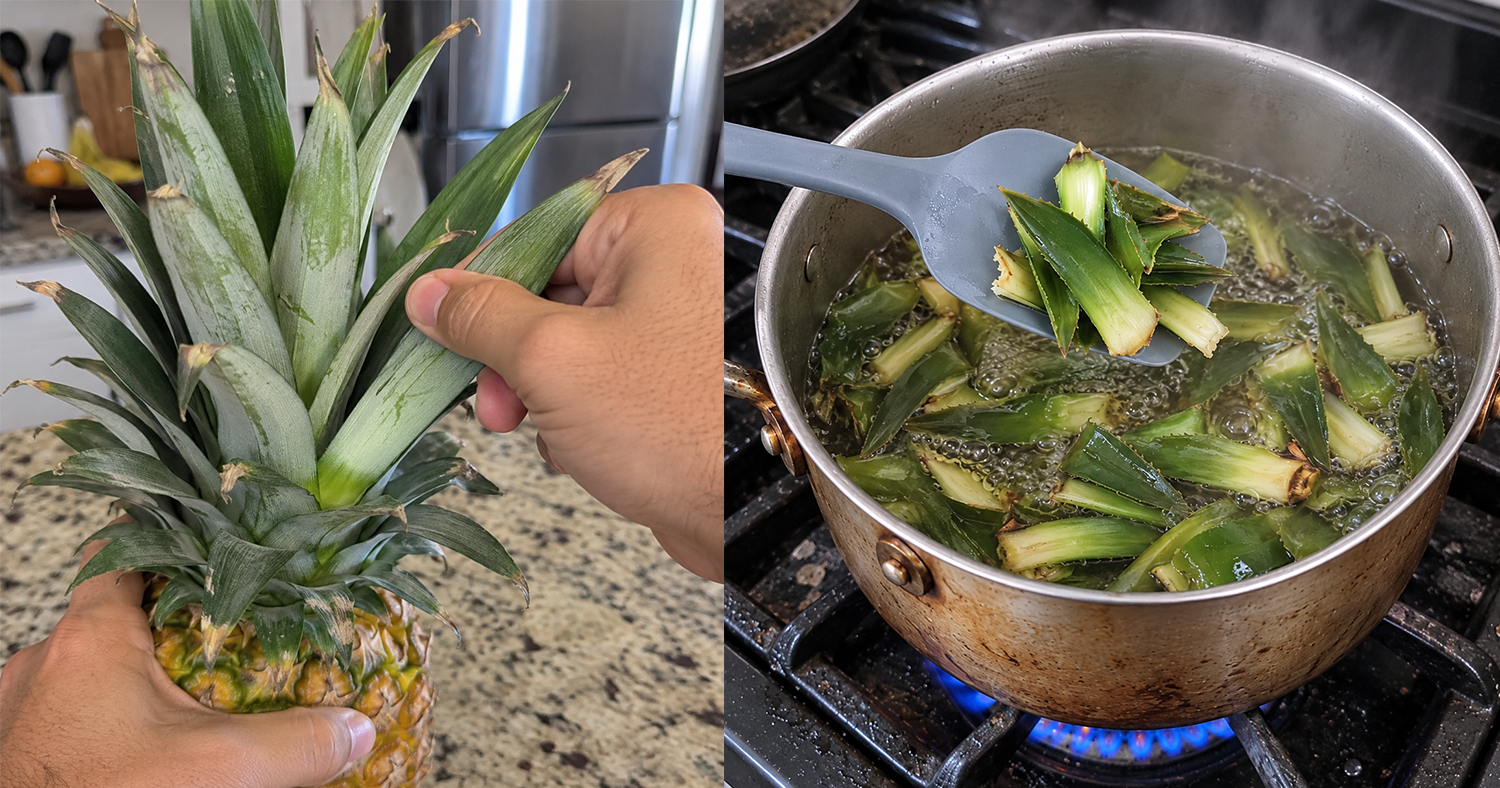
When you bring a fresh pineapple home from the store, the first thing you likely do is chop off the spiky, green top and throw it directly into the trash. Most people view the pineapple crown as nothing more than tough, inedible waste. However, folk medicine traditions around the world have long valued these spiky leaves for their potential health benefits. By boiling the leaves, you can create a soothing, nutrient-rich tea.Turning food waste into a healthy beverage is a great way to get the most out of your groceries. But before you start brewing, it is important to understand exactly what is in these leaves, the safety rules you must follow, and the proper way to prepare the tea at home.The Power Inside the LeavesWhile the sweet, yellow fruit of the pineapple gets all the attention, the leaves contain their own unique profile of helpful compounds. When prepared correctly as a tea, the crown releases several nutrients into the water.Here are the main potential benefits of pineapple leaf tea:Rich in Antioxidants: Pineapple leaves contain phenols, flavonoids, and tannins. These are natural compounds that help protect your body’s cells from damage caused by daily stress and environmental factors.Packed with Vitamin C: Also known as ascorbic acid, vitamin C is essential for a strong immune system and healthy skin. The leaves hold a surprising amount of this vital nutrient.Contains Bromelain: This is perhaps the most famous compound found in pineapples. Bromelain is an enzyme that helps break down proteins. In traditional practices, it is highly valued for its ability to reduce minor swelling and help the body heal.Supports Digestion: Because of the natural enzymes like bromelain, drinking this warm tea after a heavy meal is traditionally used to calm the stomach, improve digestion, and reduce minor bloating.Anti-Inflammatory Properties: The combination of antioxidants and bromelain provides a natural, mild anti-inflammatory effect that may help soothe minor body aches.Understanding the Science vs. TraditionIt is important to keep expectations realistic. While folk medicine has used pineapple leaf tea for generations to treat various ailments, modern science is still catching up. Most of the impressive claims you might hear—such as the tea’s ability to lower blood sugar, treat serious infections, or heal ulcers—are currently based on laboratory tests or animal studies.There have not been large-scale human clinical trials to prove these major medical claims. Therefore, you should view this tea as a supportive, healthy beverage rather than a guaranteed cure for any disease.Important Safety Rules and PrecautionsBefore you rush to the kitchen, you must know the safety rules. Pineapple leaves are tough and defend themselves well in nature.Keep these vital safety points in mind before consuming them:Never Eat Them Raw: You should absolutely never chew or swallow raw pineapple leaves. They are incredibly tough, highly fibrous, bitter, and completely indigestible. More importantly, they have sharp edges and microscopic needle-like structures that can damage your mouth, throat, and digestive tract. They must be boiled.Pregnancy Warnings: Pregnant individuals should completely avoid drinking pineapple leaf tea or consuming leaf extracts. Certain compounds in the leaves are believed to stimulate the uterus, which could cause complications.Allergy Risks: If you have a known allergy to pineapple fruit, you will likely be allergic to the leaves as well. Do not consume this tea if you have a pineapple allergy.Pesticide Exposure: Commercially grown pineapples are often heavily sprayed with pesticides, and the overlapping leaves can trap these chemicals. Thorough cleaning is absolutely mandatory.How to Prepare Homemade Pineapple Leaf TeaMaking this tea requires a little bit of patience, but the process is very simple. Because the leaves are thick, you cannot simply pour hot water over them like a normal delicate tea bag. They need to be actively boiled to break down the tough fibers.Here is the step-by-step guide to making it safely at home:1. Gather Your MaterialsThe crown (leaves) of one fresh pineapple.4 to 5 cups of clean drinking water.Optional flavor additions: Fresh ginger slices, a cinnamon stick, or the thoroughly washed peel and core of the pineapple.2. Clean the Leaves ThoroughlyCut the crown off the pineapple.Pull the individual leaves away from the hard center base so you can clean them individually.Soak the leaves in a large bowl of water mixed with two tablespoons of white vinegar or baking soda for 10 to 15 minutes. This step is critical to help break down dirt, bugs, and chemical pesticide residue.Scrub each leaf gently and rinse them very well under cold, running tap water.3. Cut the Leaves
Don’t Throw Away the Crown: The Hidden Power of Pineapple Leaf Tea 🍵