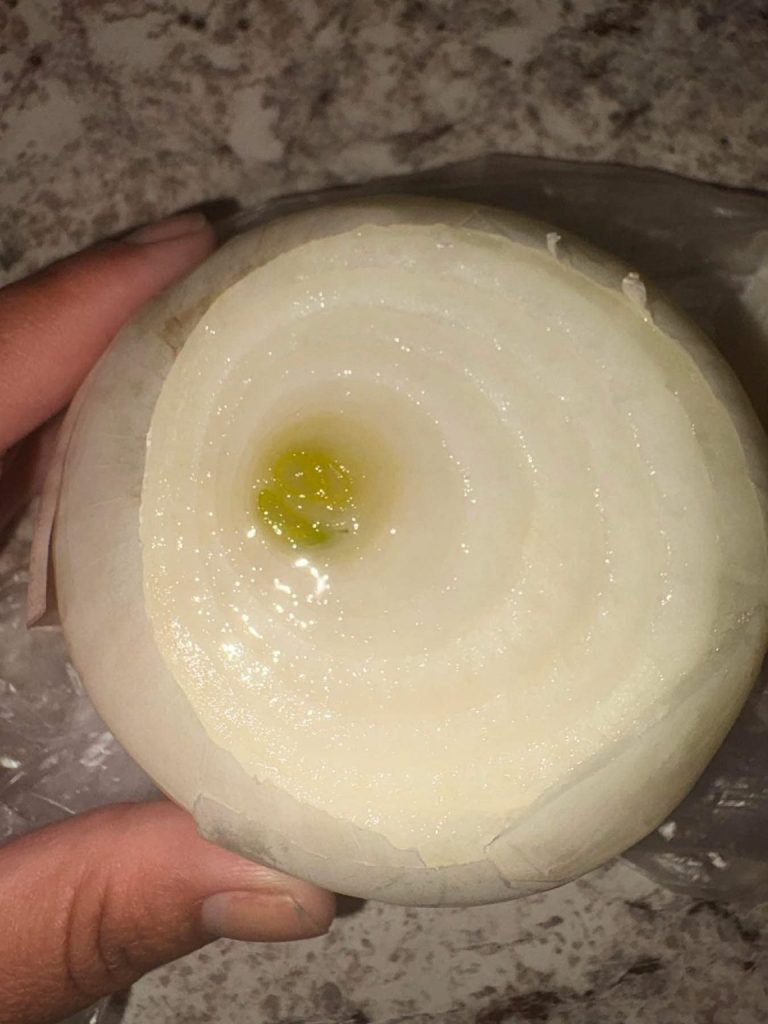
Peeled raw white onion is a fundamental ingredient cherished for its sharp yet slightly sweet flavor and crisp texture. This versatile vegetable enhances a wide variety of dishes, from fresh salads and sandwiches to vibrant salsas. Mastering how to properly peel and prepare a raw white onion is essential for home cooks seeking to add a bright, crunchy element to their meals without overpowering other flavors. This preparation requires minimal time and effort, making it accessible for anyone looking to incorporate fresh onion into their cooking routine quickly. Whether you prefer enjoying the onion whole or sliced, this guide covers the essential steps for handling white onions with confidence and ease. Why you’ll love this peeled raw white onionIt’s incredibly quick to prepare, taking only about 2 minutes, ideal for busy kitchens.The fresh, crisp texture adds brightness and crunch, elevating the mouthfeel of any dish.Using raw white onion enhances natural flavors without overpowering other ingredients, maintaining balance.It’s a nutritious, low-calorie ingredient that complements a wide range of recipes effortlessly.Versatile for raw use or as a base for cooking, making it a kitchen staple for many cuisines.Ingredients1 large white onionFor this recipe, a large white onion is recommended due to its ideal balance of sharpness and sweetness when raw. When selecting onions, look for ones with firm, tight skins that are dry and papery with no signs of sprouting or soft spots. This ensures freshness and longer shelf life. White onions are preferred for raw applications because their pungency is milder than yellow onions, and their texture remains crisp after peeling. Choosing high-quality onions will greatly impact the flavor and texture of your dish. InstructionsTrim the stem end: If needed, cut off the stem end of the onion to create a neat base for peeling. This helps stabilize the onion for easier handling and peeling.Peel away the outer skin: Remove the dry, papery layers carefully to expose the smooth white flesh beneath. Take care not to remove too much of the onion itself, just the outer covering.Rinse and dry: Rinse the peeled onion briefly under cold water to remove any dirt or residue, then pat it dry thoroughly with a clean towel. Drying prevents excess moisture which can dilute flavors or cause sogginess.Serve or prepare: Enjoy the peeled onion whole, or slice, dice, or separate it into rings for salads, sandwiches, salsas, or cooking. Adjust the cut to suit your recipe requirements.Tips for the best resultsChoose a firm onion with tight, unblemished skin: Freshness is key to a crisp texture and balanced flavor. Soft or sprouted onions will be less pleasant raw.Peeling under running water can reduce eye irritation: The water helps wash away sulfur compounds that cause tearing, making peeling more comfortable.Pat the onion dry thoroughly after rinsing: Excess water can water down dressings or cause unwanted moisture in salads and sandwiches.Use a sharp knife for slicing or dicing: A sharp blade makes clean cuts, preserving the onion’s cell structure and preventing crushing that releases too much pungency.Store unpeeled white onions in a cool, dry place: Proper storage maintains firmness and flavor until you’re ready to use them.Soak peeled slices briefly in cold water for milder flavor: This technique reduces pungency by leaching out some sulfur compounds, making raw onion more palatable for sensitive eaters.Variations and substitutionsYellow onion: Has a slightly stronger and more sulfurous flavor, better suited for cooking than eating raw due to its sharper bite.Red onion: Offers a colorful, sweeter taste with less pungency, perfect for salads, garnishes, and raw applications.Shallots: Much milder and more delicate, shallots add subtle onion flavor ideal for dressings and refined dishes.Green onions (scallions): Provide a fresh, mild onion taste with tender green tops, great for garnishing and light flavoring.Sweet onions: Varieties like Vidalia or Walla Walla are less pungent and sweeter, excellent for raw eating and sandwiches.Serving suggestionsPeeled raw white onion can be served in numerous ways to enhance your meals. Enjoy it whole as a crunchy, refreshing snack or slice it thinly to add crispness and sharpness to salads. Dice it finely to mix into fresh salsa or guacamole for a flavorful kick. Separating the onion into rings makes an excellent topping for sandwiches and burgers, providing a satisfying crunch. Additionally, marinate peeled onion slices briefly with lemon juice, herbs, or vinegar to create a quick pickle that brightens grilled meats and vegetable dishes. The natural sharpness of the white onion beautifully balances rich or creamy ingredients, making it a versatile addition to many recipes. Storage and reheatingAfter peeling, store raw white onion in an airtight container or wrap it tightly in plastic wrap to prevent moisture loss and odor transfer to other foods. Keep it refrigerated and aim to use within 1-2 days to enjoy optimal crispness and freshness. Raw onions do not typically require reheating; however, if you plan to cook with the peeled onion, add it early in your recipe so it softens and the flavor mellows, integrating smoothly into the dish. Avoid freezing raw peeled onions as they lose their texture and become watery upon thawing. Frequently asked questionsCan I store peeled raw white onion for later use?Yes, peeled white onion can be stored in an airtight container in the refrigerator for up to 2 days. Beyond this timeframe, the onion tends to lose its crispness and fresh flavor, becoming more pungent or drying out. For best results, keep it wrapped tightly to minimize exposure to air and prevent absorption of other odors in the fridge. Why does raw white onion taste so strong?Raw white onion contains sulfur-containing compounds, such as syn-propanethial-S-oxide, which are released when the onion cells are broken during cutting or peeling. These compounds are responsible for the onion’s sharp, pungent flavor and aroma. Cooking or soaking the onion in water reduces these sulfur compounds, mellowing the taste and making it sweeter and less intense. How can I reduce the onion’s strong taste when eating raw?To lessen the sharpness of raw onion, soak peeled or sliced pieces in cold water for 10 to 15 minutes. This process leaches out some of the sulfur compounds responsible for the pungency. Adding acidic ingredients like lemon juice or vinegar also helps neutralize the sharp flavor, making the onion more palatable in salads and salsas. Is it safe to eat white onion raw?Yes, raw white onion is safe to consume and commonly used in many fresh dishes worldwide. It’s important to select fresh onions, peel them properly, and rinse to remove any dirt or bacteria. Proper handling ensures safety and enjoyment of its bright flavor. Can I use peeled raw white onion in cooked dishes?Absolutely. Peeled white onion is a versatile ingredient suitable for both raw and cooked preparations. When cooked, the onion softens and its flavor mellows, adding depth and sweetness to soups, stews, sautés, and other dishes. Final thoughtsKnowing how to prepare a peeled raw white onion quickly and properly opens up many culinary possibilities. This simple skill enhances your cooking with fresh, crisp texture and bright flavor that complements a wide range of dishes. Whether you use it raw in salads and sandwiches or as a base for cooking, the white onion is a versatile and indispensable kitchen staple. Try this easy method today to bring natural onion flavor and crunch into your meals with confidence
Peeled Raw White Onion Easy Preparation Guide