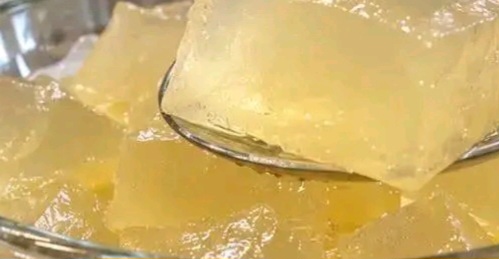
Knee pain, joint stiffness, and swelling can make everyday activities difficult. Walking, climbing stairs, standing for long periods, and even getting out of bed can become uncomfortable.Because of this, many people look for simple homemade remedies that may support joint health. One ingredient that has attracted considerable attention is gelatin.Gelatin is a protein obtained from collagen and is commonly used to prepare desserts, jellies, and other foods. It contains amino acids that are also found in collagen, a major structural protein in cartilage, bones, skin, and connective tissues.But can eating gelatin make knee inflammation disappear in one hour? There is no reliable scientific evidence supporting that claim. Gelatin is not a proven treatment for swollen knees, arthritis, or damaged cartilage.Nevertheless, it can be included in a balanced diet. Here is how to prepare a simple homemade gelatin dessert and understand its potential nutritional benefits.Ingredients2 tablespoons of unflavored food-grade gelatin powder.2 cups (500 ml) of water.1 tablespoon of fresh lemon juice.1 teaspoon of honey (optional).A few fresh mint leaves (optional).Step-by-Step PreparationStep 1: Prepare the WaterPour half a cup of cold water into a small bowl.Step 2: Add the GelatinSprinkle the unflavored gelatin powder evenly over the cold water. Allow it to sit for approximately 5–10 minutes until it absorbs the water and becomes thicker.Step 3: Heat the Remaining WaterPour the remaining water into a saucepan and warm it gently. Avoid bringing it to a vigorous boil.Step 4: Dissolve the GelatinAdd the softened gelatin mixture to the warm water. Stir continuously until completely dissolved.Step 5: Add Lemon JuiceAdd the fresh lemon juice and mix gently.Step 6: Add HoneyIf desired, add a small amount of honey for sweetness.Step 7: Pour Into ContainersTransfer the mixture into small glass bowls or individual dessert molds.Step 8: RefrigeratePlace the containers in the refrigerator for approximately 3–4 hours, or until the gelatin becomes firm.Step 9: ServeEnjoy the homemade gelatin dessert as an occasional snack.Potential Nutritional Benefits of Gelatin1. Provides Collagen-Related Amino AcidsGelatin contains amino acids such as glycine and proline, which are also important components of collagen.Collagen is a structural protein found throughout the body, including cartilage, tendons, ligaments, and skin.2. Supports Normal Protein IntakeGelatin contributes protein to the diet. However, it is not a complete protein because it does not provide all essential amino acids in sufficient proportions.3. May Be Relevant to Joint Health ResearchSome studies have investigated collagen supplements and their possible effects on joint discomfort, particularly in people with osteoarthritis.Results are mixed, and evidence about collagen supplements cannot automatically be applied to ordinary kitchen gelatin.4. Easy to Include in Everyday MealsGelatin can be used in homemade desserts, fruit jellies, and other recipes, making it a convenient food ingredient.What Really Causes Knee Swelling?A swollen knee is not always caused by arthritis.Possible causes include:Osteoarthritis.Rheumatoid arthritis.Gout.Knee injuries.Inflammation of the joint lining.Infection inside the joint.Fluid accumulation around the knee.Identifying the cause is essential because different conditions require different treatments.Step-by-Step Ways to Care for a Swollen KneeStep 1: Rest the KneeTemporarily reduce activities that increase pain, such as running, jumping, or prolonged standing.Step 2: Apply a Cold CompressWrap an ice pack in a clean towel and apply it to the affected knee for 15–20 minutes at a time.Never place ice directly against the skin.Step 3: Elevate Your LegWhen resting, support your leg with pillows so that the knee is elevated comfortably.Step 4: Avoid Excessive PressureAvoid deep squats, heavy lifting, and strenuous exercise while the knee is swollen.Step 5: Seek Medical AdviceIf swelling persists, keeps returning, or affects your ability to walk, arrange an examination with a healthcare professional.A suddenly swollen, hot, red, or very painful knee, especially with fever, requires urgent medical assessment because a joint infection must be ruled out.Can Gelatin Replace Knee Replacement Surgery?No. Gelatin cannot rebuild severely damaged cartilage, reverse advanced osteoarthritis, or replace knee replacement surgery when surgery is medically necessary.However, not everyone with knee osteoarthritis needs surgery. Depending on the severity of the condition, treatment may include:Physical therapy.Appropriate strengthening exercises.Weight management.Pain-relieving medication when appropriate.Other medical treatments recommended by a specialist.Knee replacement is generally considered when severe symptoms significantly affect quality of life and other treatments have not provided sufficient relief.Final ThoughtsGelatin is an affordable food ingredient that provides collagen-related amino acids and can be incorporated into a balanced diet.Although it has attracted interest in joint health research, there is no proven homemade gelatin recipe that eliminates knee inflammation or swelling in one hour.The best approach to maintaining healthy joints combines appropriate medical care, regular movement, balanced nutrition, and treatment tailored to the underlying cause of knee pain.Remember: A swollen knee deserves proper attention rather than relying on promises of instant relief.
Search Results for: Natural Gelatin for Knee Pain and Joint Health: What You Should Know About This Homemade Remedy